
About the Subject
Curiosity, investigation and discovery
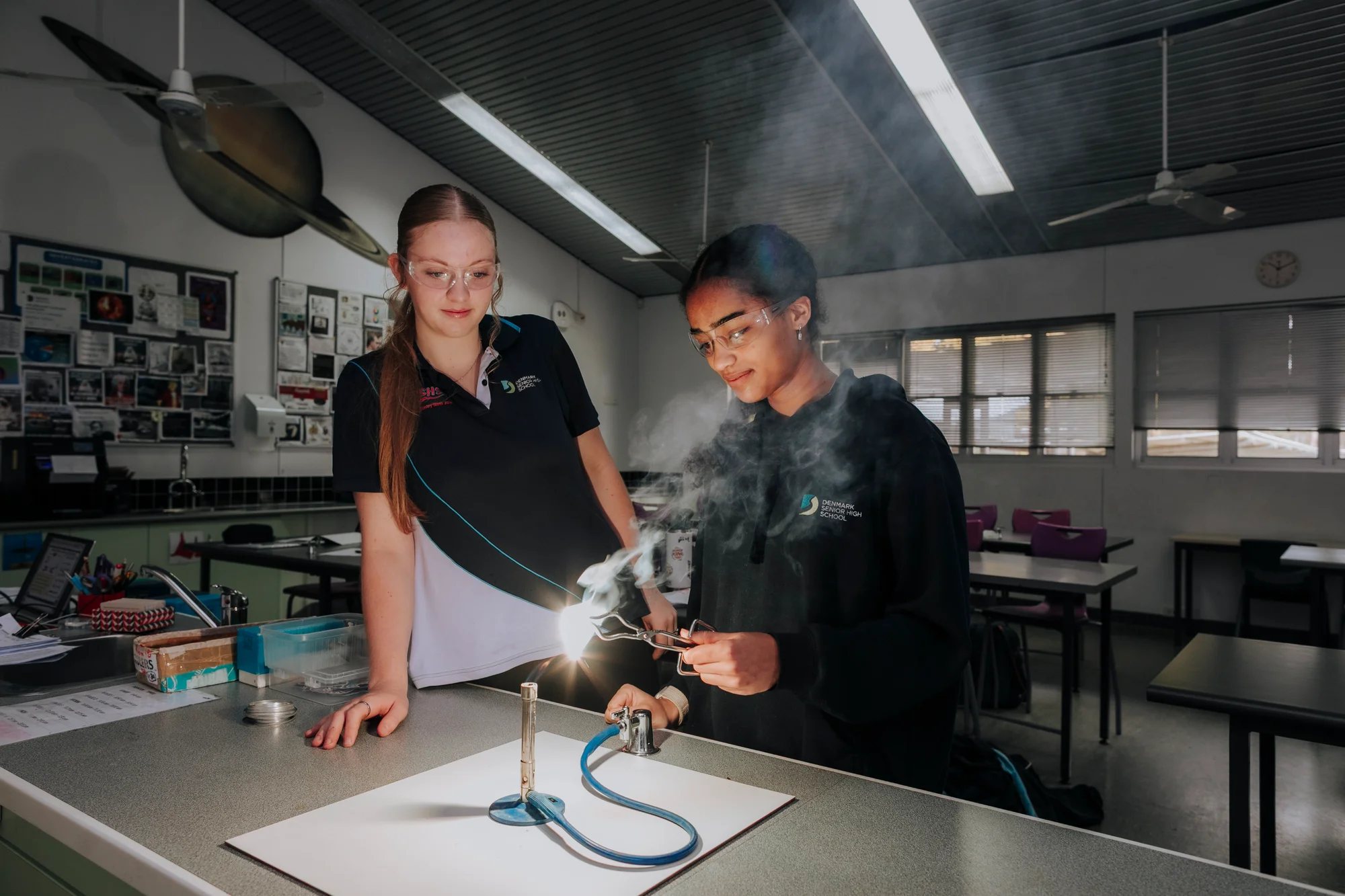
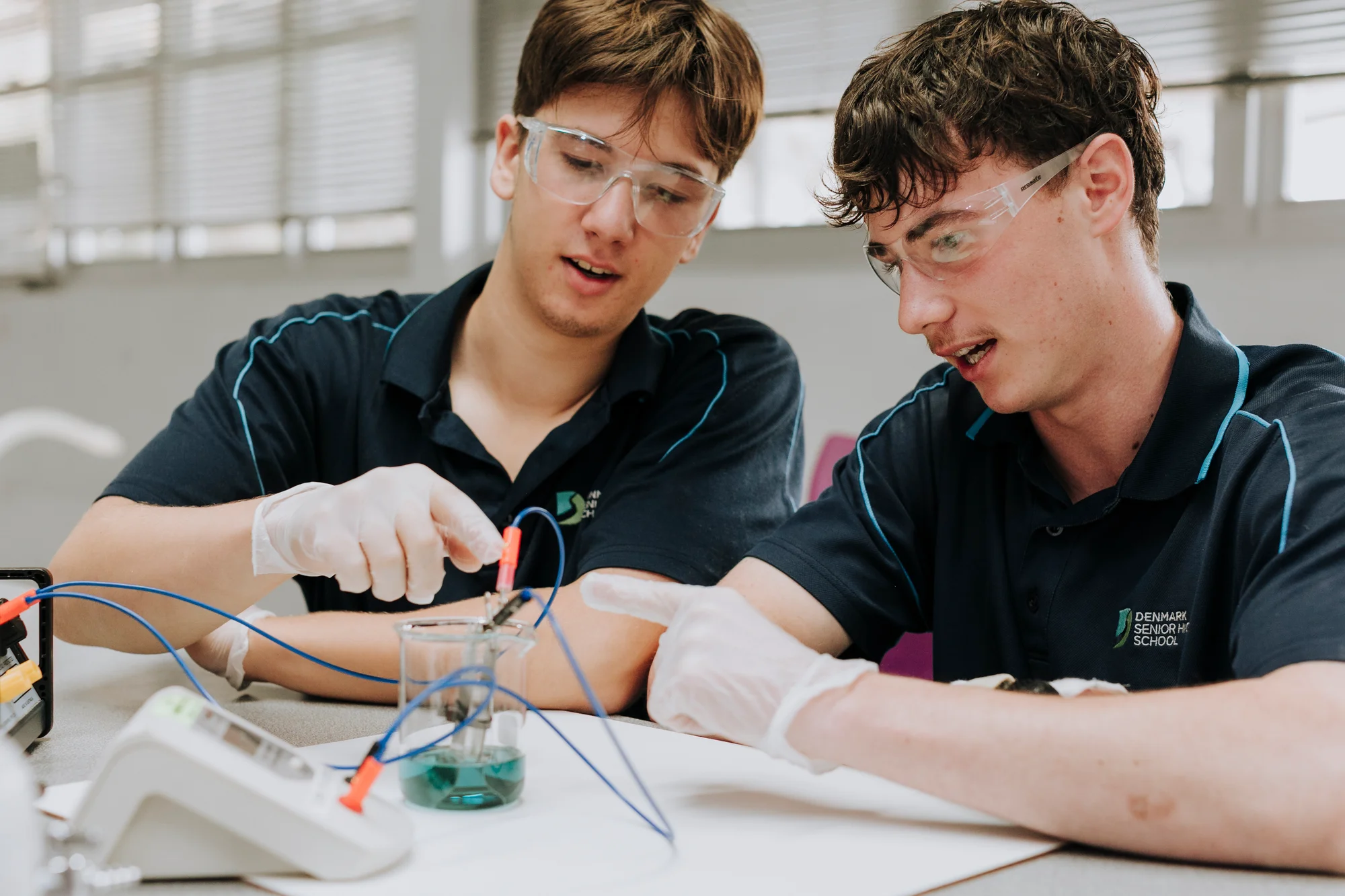
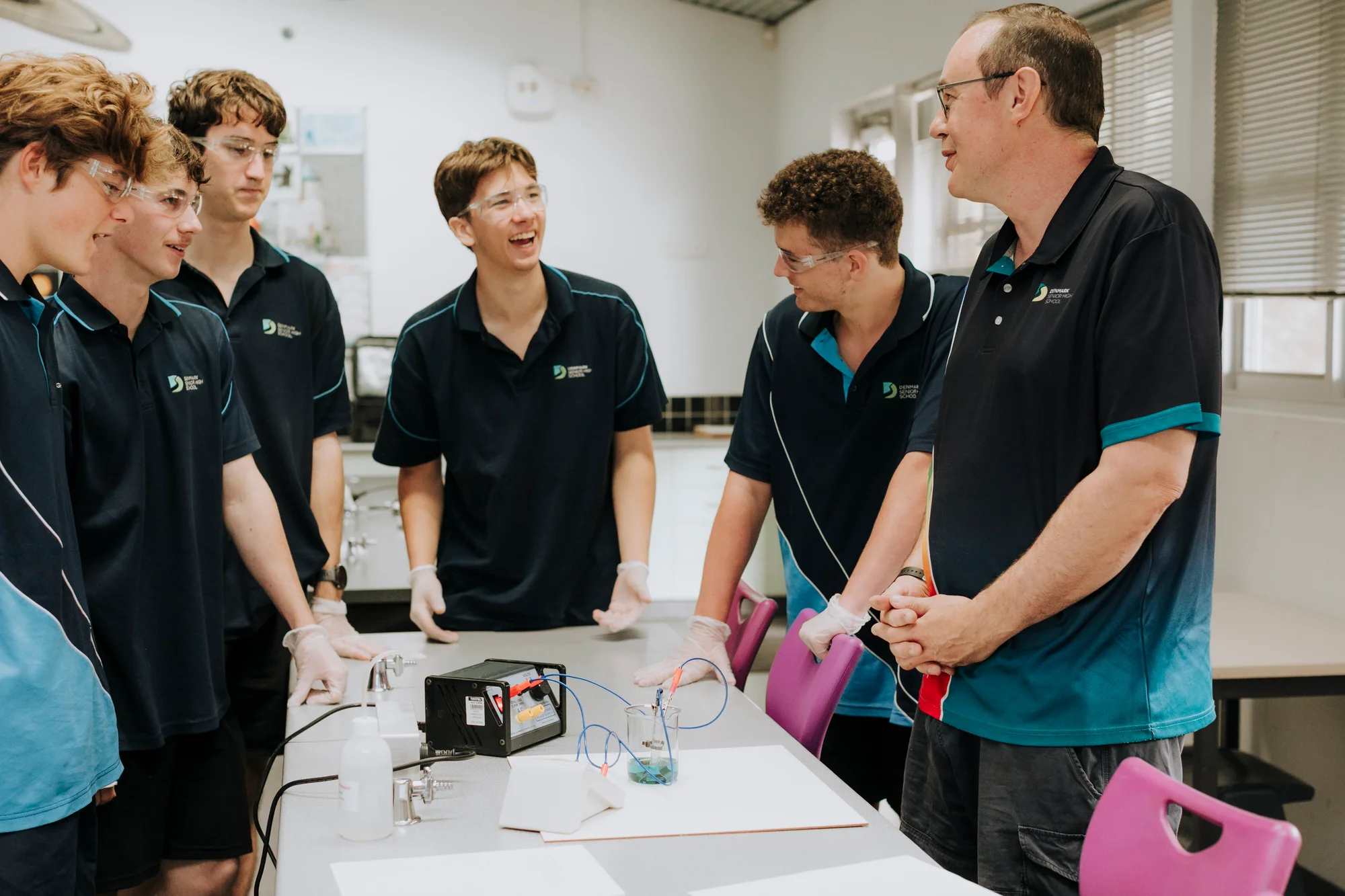
Science at Denmark SHS develops students' ability to understand and investigate the world around them. Through hands-on experimentation, data analysis and scientific reasoning, students develop the skills and understanding that underpin all scientific disciplines.
The WA Curriculum Science framework is built around three interrelated strands: Science Understanding (knowledge of biological, chemical, earth/space and physical sciences), Science as a Human Endeavour (the nature and role of science in society), and Science Inquiry Skills (designing experiments, collecting data, analysing results and communicating findings).
Science Disciplines
The four strands of science
In Years 7–10, students explore all four strands of the WA Science curriculum through integrated and individual units of study.
Biological Sciences
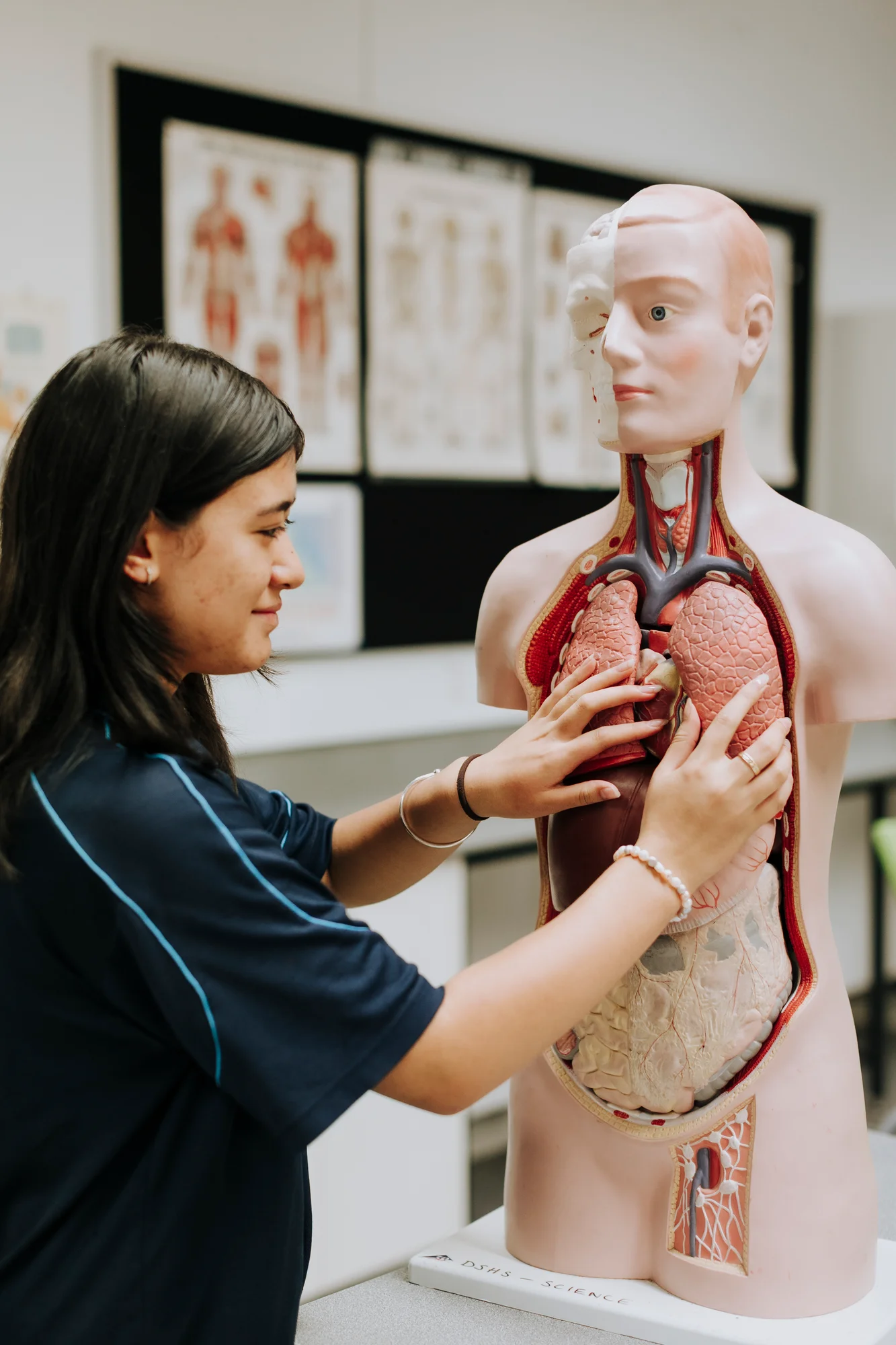
The study of living organisms, ecosystems, cells, genetics, evolution and human biology. Students investigate topics from local environmental issues to global biodiversity challenges.
Chemical Sciences
Exploring matter, atoms, elements, chemical reactions, acids and bases, and the periodic table through laboratory investigations and real-world applications.
Earth & Space Sciences
The structure of the Earth, plate tectonics, rocks and minerals, the solar system, climate, weather patterns and the history of the universe.
Physical Sciences
Forces, motion, energy, electricity, waves, light and sound — understanding the fundamental laws that govern how the physical world operates.
Senior School Pathways
Senior Science courses in years 11 & 12
Pathway Tip
Science + Maths = more options
Most ATAR science courses are complemented by ATAR Mathematics Methods. Combining science and mathematics subjects maximises your university options for medicine, engineering, environmental science and health professions.
Course HandbooksQuestions about Science at DSHS?
Contact the school to learn more about our Science programs, lab facilities and senior course pathways.